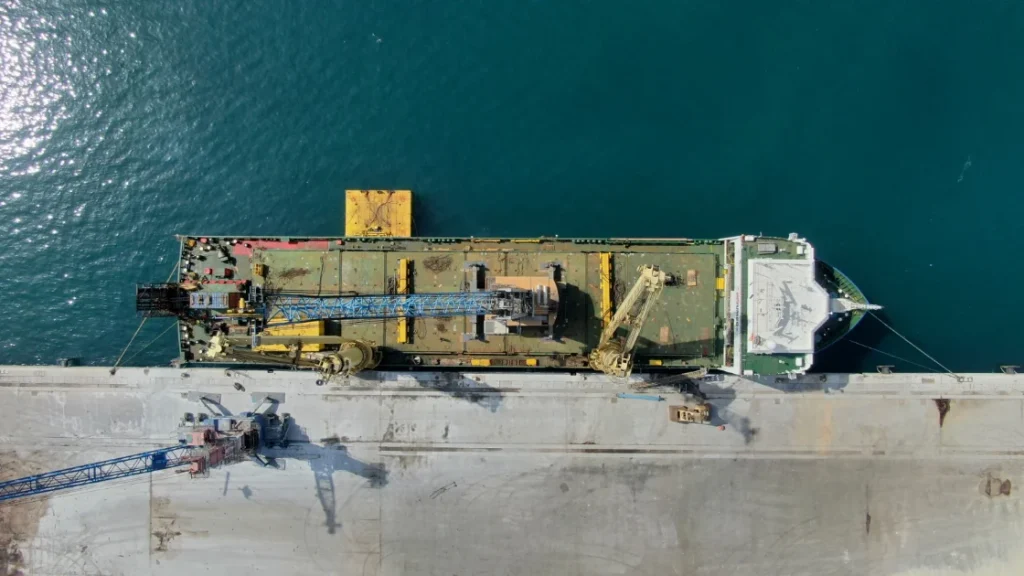
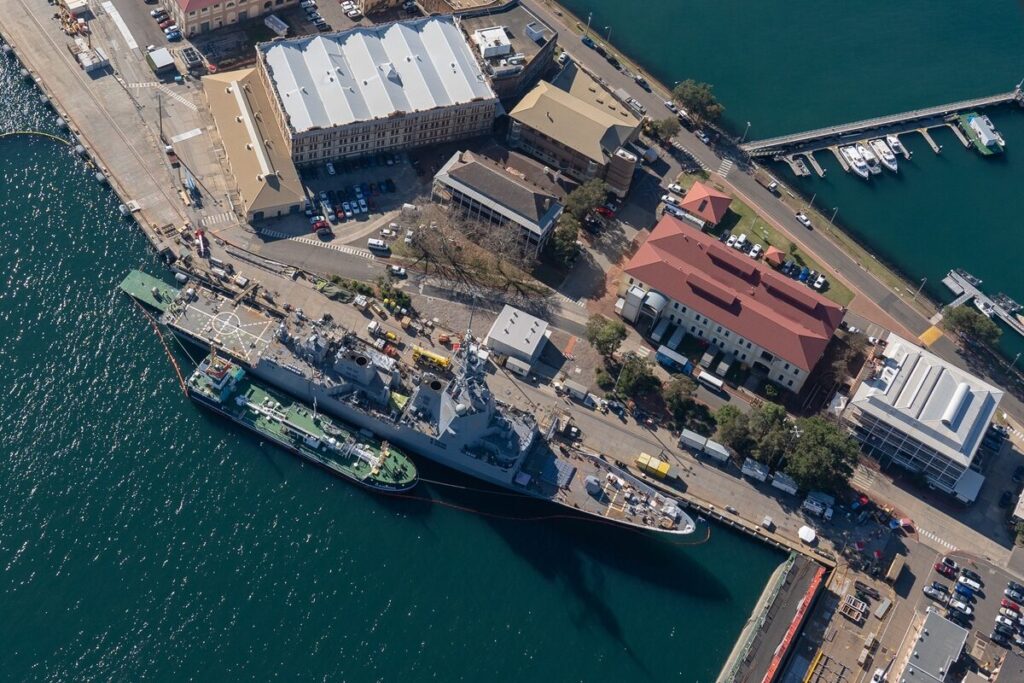
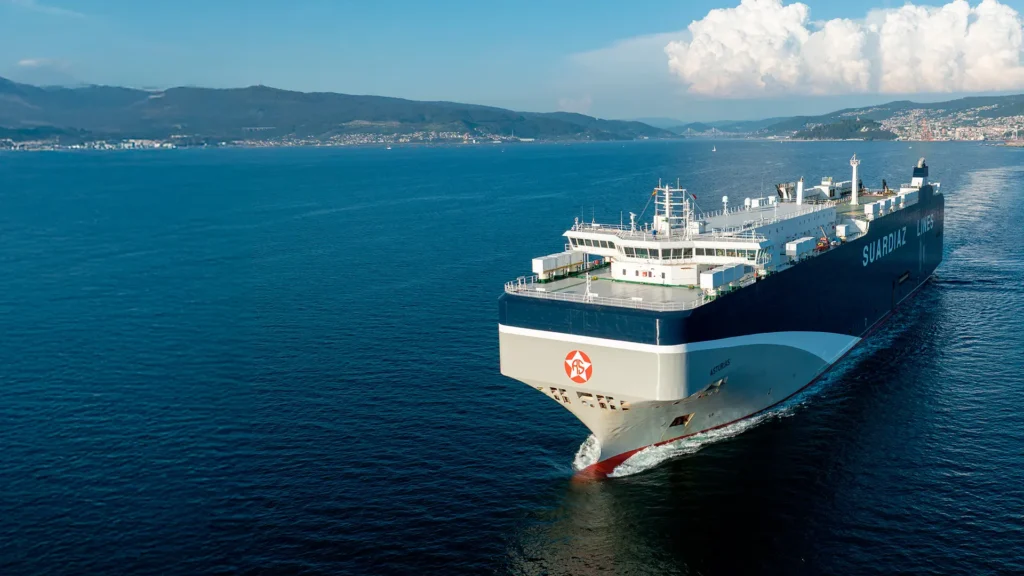
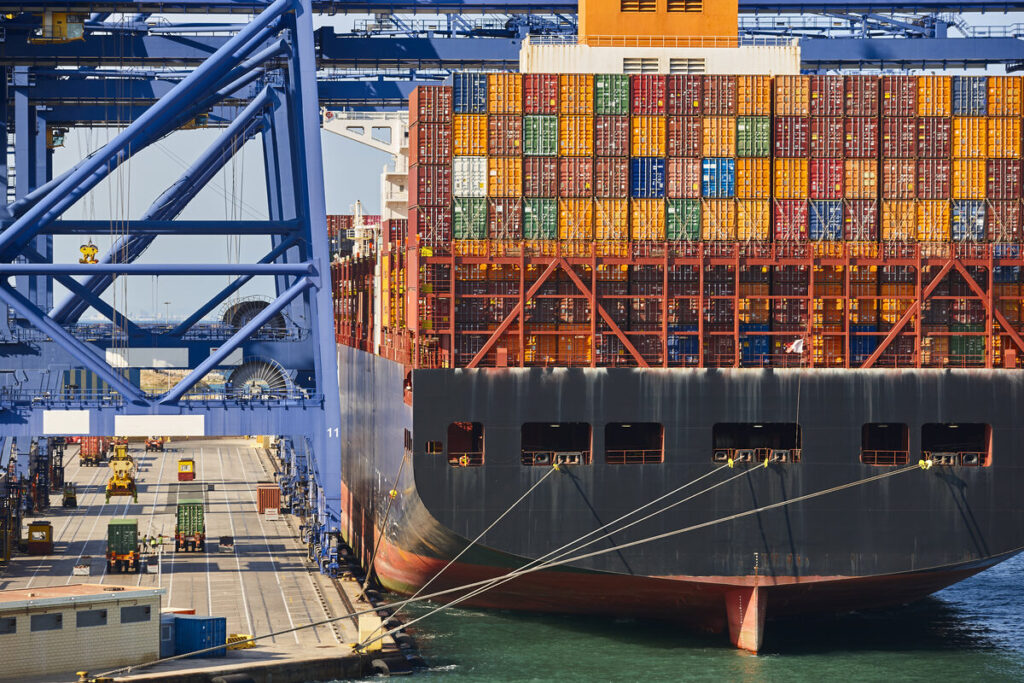
A vessel arriving at port involves far more than a docking manoeuvre. Every port call requires coordination with port authorities, terminals, service providers, administrative documentation and cargo loading and unloading operations. To ensure this entire process runs efficiently, safely and in accordance with the established requirements, a key figure steps in: the shipping agent.
Their role is to coordinate and manage the operational, documentary and logistical aspects related to the vessel’s time in port. In this article we explain what a shipping agent is, what their functions are, how they differ from other figures in international transport and why they are essential to maritime operations.
What is a shipping agent?
A shipping agent is the person or company that represents the shipowner, the shipping line or the vessel operator on shore during a port call.
Also known as a ship agent or vessel consignee, they act as the shipowner’s representative before the various entities involved in port operations. Their main function is to coordinate the formalities, services and communications required for the vessel to arrive, operate and depart from port as efficiently as possible.
Far from being a simple intermediary, the shipping agent plays an essential role in maritime operations, connecting the vessel with port authorities, terminals, service providers and all other parties involved in the call.
What are the functions of a shipping agent?
The functions of a shipping agent cover every phase of a port call. Their work contributes to reducing delays, improving operational coordination, facilitating document management and optimising the vessel’s time in port.
Coordinating vessel arrival and departure
One of their main responsibilities is to coordinate the vessel’s arrival, stay and departure.
To do this, they maintain communication with port authorities, terminals and local operators, managing aspects such as berthing and unberthing, resource planning and operational window management. Effective coordination helps to minimise waiting times and avoid additional costs arising from delays in the operation.
Document management and administrative formalities
The shipping agent takes part in preparing, reviewing or coordinating the documentation linked to the vessel’s port call.
Among other aspects, they may intervene in managing permits, cargo manifests, vessel documentation and crew documentation, as well as communications with the relevant authorities. Depending on the scope of the service, they may also coordinate certain processes related to customs formalities, although their function should not be confused with that of a customs agent.
Coordinating port services
During the vessel’s stay in port, the shipping agent coordinates a large number of services required for operations.
These include tugboats, pilotage, mooring, fuel supply, provisioning of water and stores, waste management, technical inspections and certain repairs and maintenance tasks.
Proper coordination of these services contributes to optimising port call times and reducing operational incidents.
Overseeing cargo loading and unloading
The shipping agent also maintains close coordination with terminals, shipping lines and port operators to ensure that loading and unloading operations proceed in line with the planned schedule.
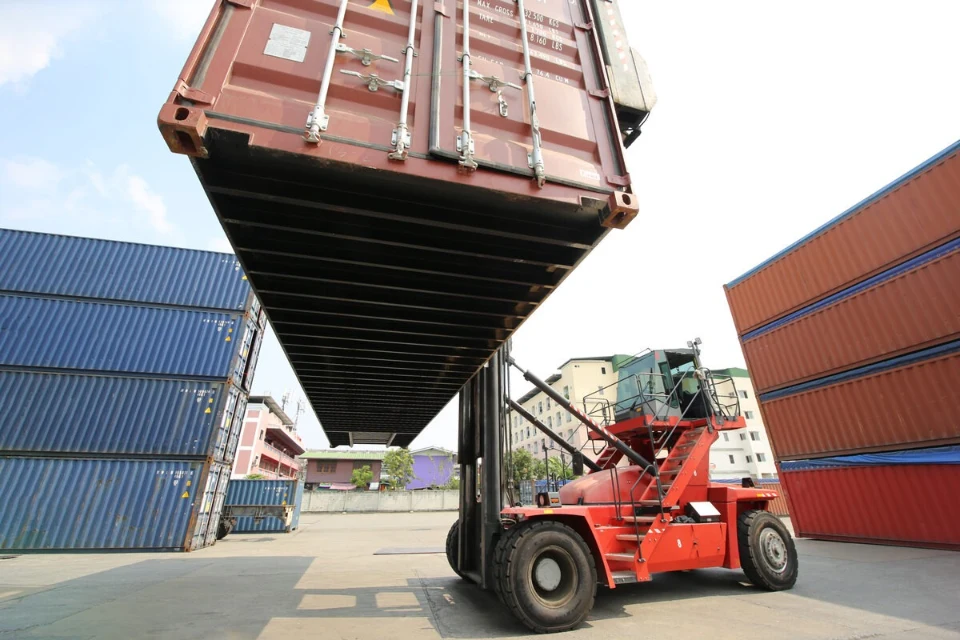
This function is particularly relevant in operations involving goods such as vehicles, machinery, containers, RoRo cargo or industrial projects, where adequate coordination can directly influence the efficiency of the logistics chain.
Supporting the vessel and its crew
In addition to operational matters, the shipping agent provides support to the vessel and its crew throughout the port call.
They can coordinate needs related to provisioning, medical assistance, inspections, repairs, supplies or urgent matters that make it possible to ensure operational continuity and the vessel’s departure under the conditions planned.
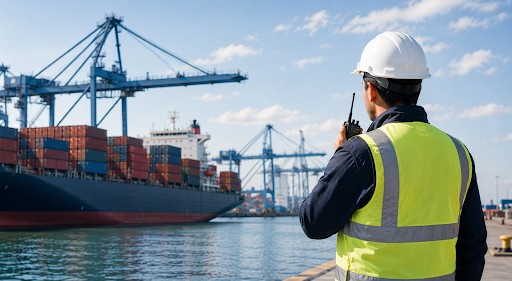
Differences between a shipping agent, a freight forwarder and a customs agent
Several specialist figures can be involved in an international transport operation. Although their functions are related, each has different responsibilities.
| Role | Primarily represents | Main focus | When they are involved |
| Shipping agent | Shipowner, shipping line or vessel operator | Vessel, port call and port | Vessel arrival, stay and departure |
| Freight forwarder | Shipper, importer or exporter | Cargo and international transport | Transport planning from origin to destination |
| Customs agent | Importer/exporter or authorised representative | Customs clearance and compliance | Import, export and customs formalities |
These figures are not mutually exclusive. In fact, in complex operations it is common for them to work together to ensure the correct execution of the transport and compliance with all operational and documentary requirements.
The importance and value of the shipping agent in international transport
Maritime activity involves coordinating multiple actors, processes and administrative requirements. In this context, the shipping agent plays a fundamental role in enabling more efficient operations.
Reducing port delays
A poorly coordinated port call can result in delays, lost operational windows and additional costs.
The shipping agent helps plan and coordinate the resources needed to ensure the vessel’s stay in port runs as efficiently as possible, reducing the risk of incidents affecting the logistics chain.
Facilitating regulatory and documentary compliance
Maritime operations are subject to a range of documentary and administrative requirements.
Coordinating communications, documentation and formalities contributes to reducing risks associated with errors, delays or incidents that could affect the development of the operation.
Improving coordination among parties involved in the operation
A port call involves port authorities, terminals, shipping lines, shipowners, service providers, logistics operators and other participants.
The shipping agent acts as a central coordination point for all of them, facilitating the flow of information and contributing to operational decisions being made with greater agility.
Find out how the Suardiaz shipping agent service can optimise the coordination of your port calls and reduce your vessels’ time in port.
When is it worth working with a shipping agent?
Working with a specialist shipping agent can add value across a wide range of international maritime operations. Whether you manage one-off port calls or operate on regular routes, having an agent with local port knowledge and experience in operational coordination makes a real difference in efficiency and cost control.
It is particularly useful when:
- The vessel needs local representation at port.
- The operation requires coordinating multiple port services.
- The goal is to reduce port call times, costs and operational incidents.
- Documentation and communications related to the port call need to be managed.
- Support is needed for import, export or international transport operations.
A shipping agent can also be integrated with other logistics services when an operation requires coordination across maritime, road, rail or customs services.
The shipping agent is an essential figure in international maritime transport. Their work enables the shipowner or shipping line to be represented at port, port services to be coordinated, documentary aspects to be managed and operations to run more efficiently.
Thanks to their coordination capacity and knowledge of the port environment, they help reduce risk, optimise turnaround times and facilitate the smooth running of maritime operations.
If you need to coordinate a port call, represent a vessel at port or access expert support for your maritime operations, find out how the Suardiaz shipping agent service can help. Get in touch and our specialists will design a solution tailored to your needs.