Cargo consolidation is a logistics strategy that makes it possible to combine different goods or shipments into a single transport unit in order to optimise space, costs and operational efficiency. This practice is especially relevant in international logistics, where shipment planning, transit times and document management have a direct impact on business competitiveness.
In this guide, we will explain what cargo consolidation is, how it works in practice and the benefits it offers in import and export operations. We will also look at how it relates to cargo deconsolidation and in which situations it can help a business optimise its supply chain and improve logistics coordination in international shipping.
What is cargo consolidation?
Cargo consolidation is a logistics operation that involves combining several compatible goods, orders or shipments into a single transport unit. The aim is to make better use of available space, reduce costs and improve the efficiency of import, export and distribution flows.
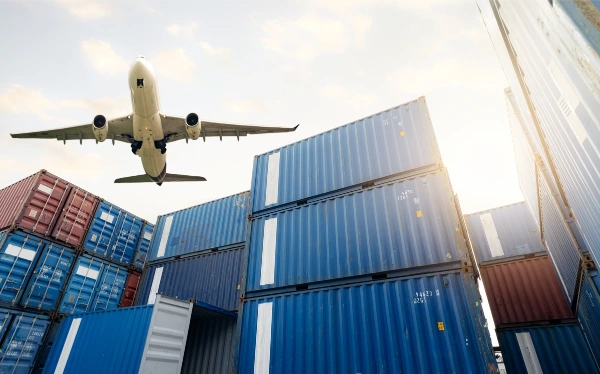
In practice, this approach can be applied across different modes of transport. It is common in sea, road and air operations, as well as in multimodal transport schemes where several stages need to be coordinated together.
That is why it is also common to talk about consolidated cargo, shipment consolidation or container consolidation. Although the wording may vary, the underlying idea is the same: bringing several consignments together in one more efficient solution instead of managing them separately.
For a business, this can mean a more organised operation, better use of resources and a stronger ability to optimise international shipments without losing visibility.
How does the cargo consolidation process work?
The process begins with the receipt of goods at a consolidation point, such as a logistics warehouse, terminal or hub. From there, the cargo is checked, sorted and grouped according to compatibility criteria.
It is not just about space. Origin, destination, the nature of the goods, handling requirements, associated documentation and transit times also matter. Efficient cargo consolidation is not simply about putting goods together. It is about organising them with clear operational logic.
Once the grouping has been defined, the documentation is prepared and the shipment departure is coordinated. The goods are then transported to their destination or to an intermediate point where the next stage of the operation will continue.
When the cargo reaches the final hub or the planned point along the route, deconsolidation takes place. In other words, the different consignments are separated for final delivery or for connection with the next logistics leg.
Types of cargo consolidation
There are different ways to organise cargo consolidation depending on the logistics operation, the transport mode and the needs of each supply chain.
Container consolidation
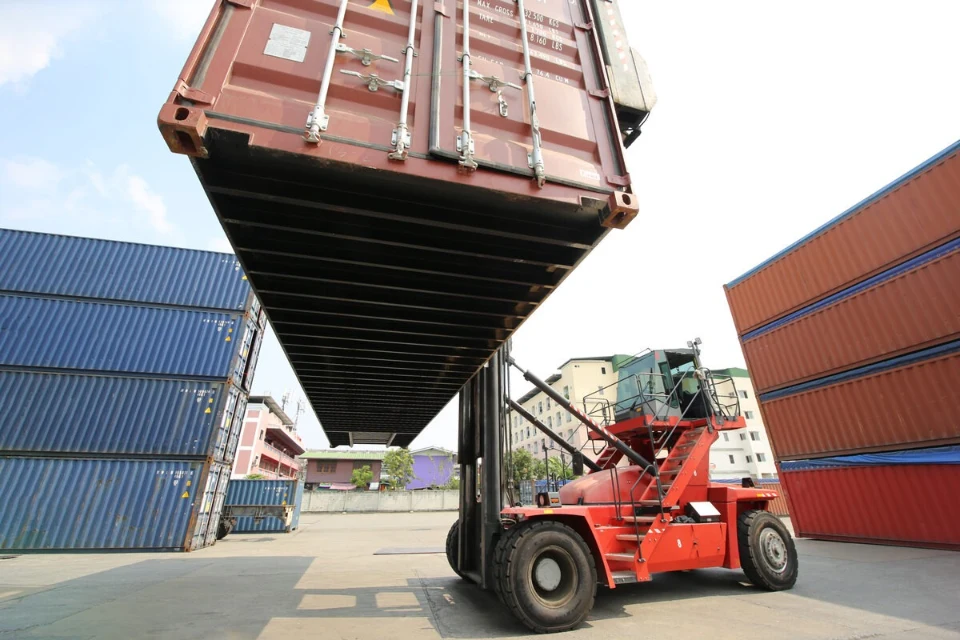
Container consolidation is one of the most common approaches in international logistics, especially in sea freight. It involves combining different batches of goods within the same container in order to optimise space utilisation and improve the cost per unit transported.
It is particularly useful when a business does not need to fill a full container on its own, but still needs a stable, well-structured and competitive solution for imports or exports.
Shipment consolidation
Shipment consolidation focuses on grouping compatible consignments in order to rationalise departures and improve logistics planning. It makes particular sense for businesses working with multiple orders over the same period or with recurring flows to similar markets. Beyond cost savings, this approach delivers something especially valuable for B2B operations: more order, greater predictability and stronger coordination in international logistics operations.
Consolidation by origin, destination or cargo type
In many cases, consolidation is organised according to specific operational criteria. It may be defined by the origin of the goods, the final destination, the nature of the product or factors such as urgency, technical compatibility or handling requirements. This is particularly important in international logistics. Not all cargo can be consolidated in the same way, and not all routes require the same planning logic.
Benefits of international cargo consolidation
International cargo consolidation offers clear advantages for businesses seeking efficiency without losing control over their shipments.
One of the most obvious is optimised logistics costs. When a company cannot fill a full transport unit on its own, consolidation allows it to share capacity and avoid paying for underused space. This can improve shipment profitability without sacrificing international coverage.
It also delivers better space utilisation. This advantage is not only financial. It also helps structure departures more effectively, use resources more efficiently and bring more consistency to shipment planning.
Another key benefit is better operational control. When cargo consolidation is well designed, it becomes easier to coordinate documentation, manage incidents and maintain visibility across the logistics flow. This is particularly useful when several suppliers, multiple origin points or demanding customs requirements are involved.
In addition, working with a specialist partner helps strengthen traceability, document coordination and the ability to anticipate issues. In an international environment, where any mismatch can affect transit times or final deliveries, this technical support makes a real difference.
When is cargo consolidation the right option?
Cargo consolidation is the right choice when a business needs to optimise costs and improve efficiency, but does not have enough volume to regularly fill a full transport unit.
This is a very common situation for importers and exporters working with variable consignments depending on season, supplier, SKU or destination market. In these cases, consolidation allows them to maintain an organised international operation without taking on unnecessary extra costs.
It is also very useful when a company works with multiple suppliers at origin. Grouping goods into the same logistics flow simplifies transport coordination and can improve visibility across the entire operation.
Another common scenario arises when the operation involves significant customs or documentation requirements. In these cases, consolidation can help centralise management and improve control, provided it is designed correctly from the outset.
However, it will not always be the best solution if the goods require immediate dispatch, if compatibility between cargo types is limited or if urgency is more important than optimisation.
Factors to consider before consolidating cargo
Before deciding on shipment consolidation in logistics, it is important to assess whether this solution truly fits the operation. Not all cargo can be grouped in the same way, and not all shipments benefit equally from this strategy.
One of the first factors to review is cargo compatibility. Some goods should not travel together due to safety, handling, temperature, regulatory or cross-contamination risks.
Transit times must also be evaluated. Consolidation can be an excellent decision from a cost perspective, but it may not be the right fit when delivery deadlines are extremely tight.
Other factors also come into play, such as destination country requirements, customs complexity, packaging needs, the level of traceability required and coordination between the different parties involved in the supply chain.
Making this decision with the right criteria helps avoid mistakes and improves logistics performance over the medium term.
How a logistics operator can support cargo consolidation and deconsolidation
Consolidation and deconsolidation require far more than operational capacity alone. A specialist logistics operator brings an overall perspective, international experience and coordination capabilities at every stage of the process.
Its role begins with solution design. It does not simply group goods together. It also helps define routes, frequencies, compatibilities and operating models tailored to the reality of each customer.
It can also integrate different transport modes within a multimodal transport strategy, coordinate documentation, improve traceability and provide greater visibility over the logistics flow from start to finish.
In complex operations, that support helps reduce errors, anticipate disruptions and optimise the balance between cost, transit time and service level. That is the real value of working with an expert partner.
If you want to assess whether cargo consolidation fits your international operation, Suardiaz can help you analyse your supply chain and define a solution tailored to your actual needs. Contact us to start building a more efficient, flexible and fully connected supply chain strategy.