The global energy transition is advancing at an unprecedented pace, placing offshore wind at the heart of decarbonisation strategies worldwide. Bringing these large-scale projects to life at sea is not only a landmark achievement in cutting-edge engineering. Each installation demands a complex operational framework encompassing multimodal transport, specialist storage at port terminals and the assembly of components on a truly colossal scale.
An offshore wind farm is an industrial facility made up of a series of wind turbines located in the marine environment, designed to harness the powerful winds at sea and convert them into clean electricity. As logistics operators and long-established shipowners, at SUARDIAZ Group we know that the success of these assets depends on the efficiency, predictability and security of their supply chain. Our commitment to decarbonisation and the energy transition positions us as a natural partner for projects of this scale.
What is an offshore wind farm and how does it work?
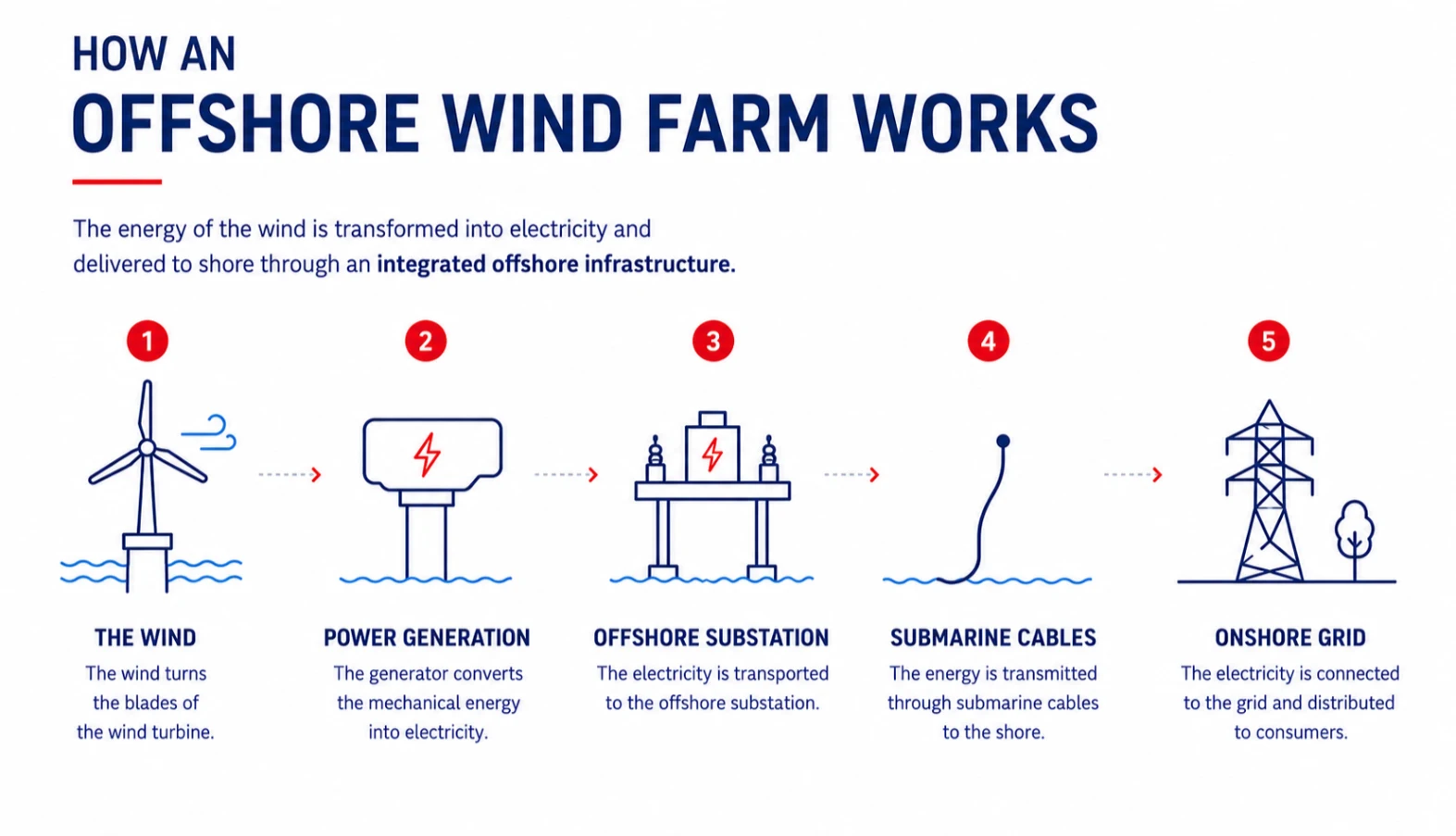
These installations are located at sea because coastal wind currents are more stable, stronger and faster than those found onshore. The generation process begins when the enormous blades of the offshore wind turbines capture the kinetic energy of the wind, turning a rotor connected to a gearbox and an electrical generator housed in the nacelle.
Once electricity has been generated inside the turbine, the current travels through braided submarine cables to an offshore transformer substation, where the voltage is stepped up to minimise energy losses over the distance. The electricity is then carried via a main submarine cable to the onshore distribution grid, ready for use by industry and households alike.
Types of infrastructure in offshore wind energy
The technical classification of a wind farm at sea depends directly on the engineering used to fix or support the structures on the seabed. While conventional technologies have focused on shallow coastal waters, the wind energy industry is pushing strongly into deeper waters to maximise the exploitation of global energy resources.
| Offshore Technology | Anchoring Type | Optimal Depth | Main Logistical Challenge |
| Fixed Foundation | Monopile or gravity-based structures fixed to the seabed. | Shallow waters (up to 50-60 metres). | Requires large-draught jack-up vessels for in situ installation. |
| Floating Wind Farm | Platforms moored to the seabed via high-tension cables. | Deep waters (over 60 metres). | Complex maintenance in open sea and the need for full turbine assembly prior to deployment at port. |
Fixed foundations remain the most widespread solution in today’s offshore wind farms. However, advances in technology are driving the adoption of floating platforms, particularly in areas where water depth makes conventional structures impractical.
The development of floating offshore wind turbines
The deployment of a modern floating offshore wind farm marks a turning point for international energy expansion. Floating offshore wind turbines open up new markets in countries with deep continental shelves, such as Spain, where fixed foundations are simply not viable.
This technology replaces rigid foundations with semi-submersible or spar-type floating platforms, requiring the design of maritime stability solutions and highly precise port logistics. The coupling of the turbine to its floating base must be completed in sheltered berths before the structure is towed to its final offshore position.
Offshore wind farms: advantages and disadvantages
Offshore wind energy offers significant advantages for renewable electricity generation, while also presenting technical, economic and logistical challenges that must be carefully considered throughout the development of each project.
Advantages
One of the primary benefits of offshore wind farms is that they harness wind resources that are generally more stable and faster than those found onshore. This can support more consistent energy output and a better overall use of available resources.
A further advantage is the ability to install larger wind turbines, capable of significantly increasing the generation capacity of each installation.
Additionally, being located away from populated areas means these farms can reduce their visual and noise impact on local communities.
Offshore wind also contributes to diversifying the energy mix and advancing towards the decarbonisation targets and energy transition goals set by governments around the world.
Disadvantages
Offshore projects require a high initial capital investment, driven by the complexity of the infrastructure, the specialist equipment involved and the operations required for construction and installation.
The marine environment also poses a significant challenge for materials and equipment, which are continuously exposed to saltwater, humidity and demanding weather conditions.
Added to this is logistical complexity. The transport, assembly and installation of large-scale components must be carefully coordinated and, in many cases, carried out within narrow weather windows.
Key challenges in transporting offshore wind components
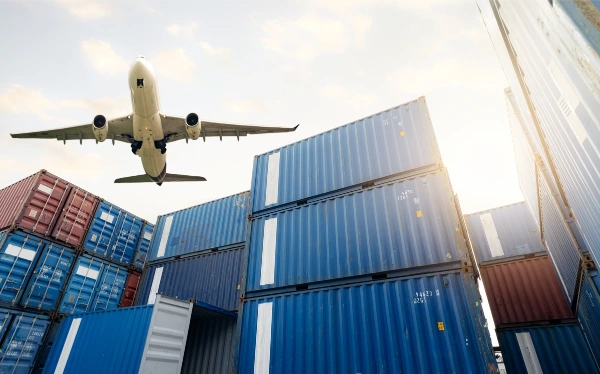
Executing an offshore wind farm requires the movement of critical components of enormous dimensions, including blades exceeding 100 metres in length and tower sections weighing hundreds of tonnes. Any breakdown in multimodal transport coordination disrupts the assembly schedule, causing critical operational stoppages and severe financial penalties due to delays involving specialist vessels. Managing industrial project cargo of this scale demands an operator with the right infrastructure and proven expertise.
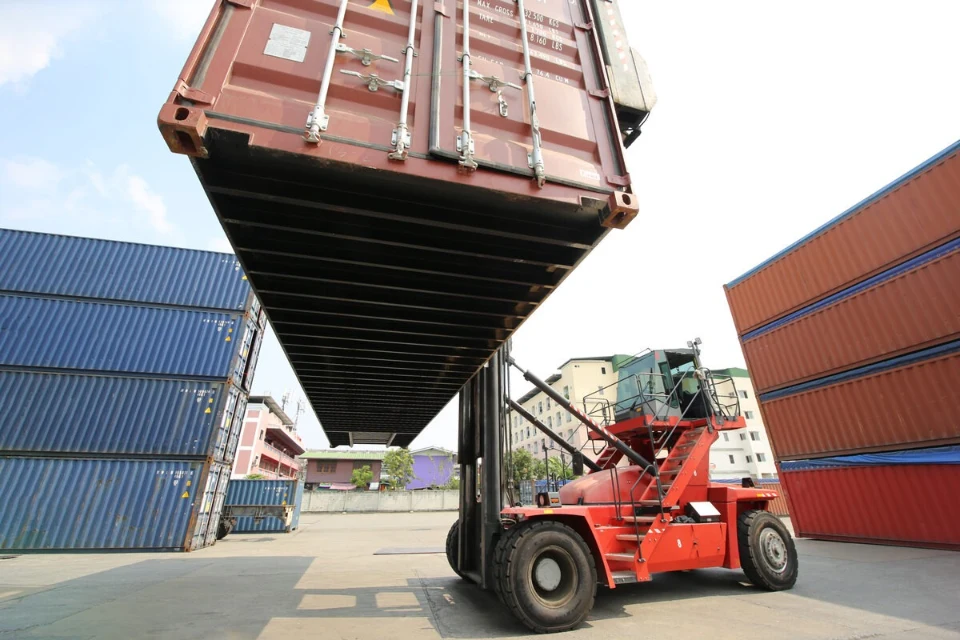
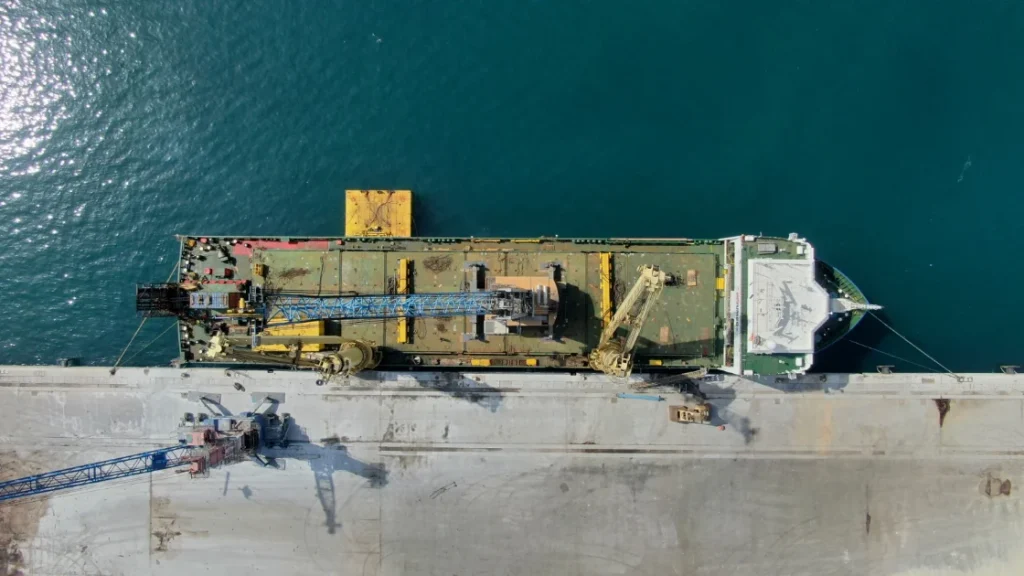
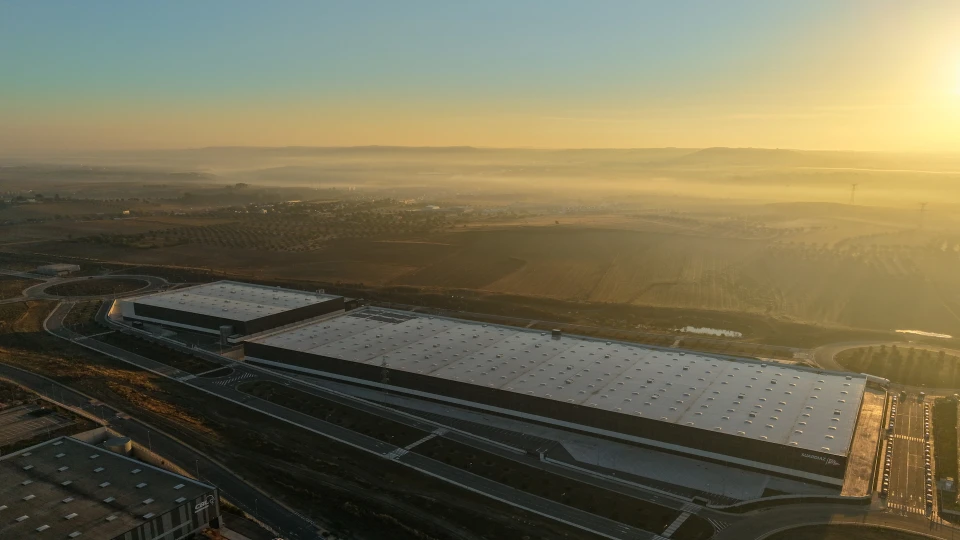
To mitigate these risks, access to specialist port terminals acting as logistics consolidation hubs is essential. These facilities must offer heavy-load storage areas for the interim storage of oversized components, high-capacity cranes and clear maritime access to streamline the loading and unloading of parts before onward transfer to the installation sites.
Customs management and international regulations in offshore projects
The physical complexity of these operations is compounded by the administrative barriers inherent in international projects. When coordinating supplies with components manufactured across multiple continents, constantly shifting customs regulations represent a critical risk of port blockage that can bring vessel operations to a standstill.
Impeccable document control and specialist customs management are non-negotiable safeguards for any project’s viability. Having agile customs procedures in place makes it possible to prevent delays and operational disruptions, ensuring that the import flows for critical components stay on schedule and free from unnecessary storage costs.
How Suardiaz optimises the supply chain for the offshore wind industry
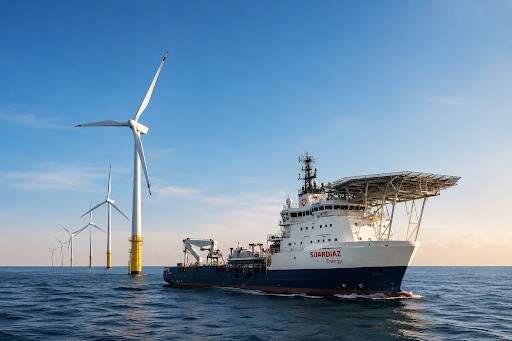
Success in offshore wind development demands partners capable of controlling every link in the logistics chain from end to end. SUARDIAZ Group provides a comprehensive logistics service for the offshore wind industry, designed specifically for the renewable energy sector and covering everything from specialist maritime transport and vessel chartering to heavy land-side distribution.
As global logistics operators, we bring the flexibility, real-time cargo tracking and security needed to move large volumes of freight to open sea. The integration of our own port infrastructure, rail traction solutions and in-house customs services allows the group to optimise storage costs, reduce operational risk and deliver the pinpoint punctuality that the most demanding energy projects require.
In summary, offshore wind farms represent one of the most promising pillars of clean energy, but their technical viability is inextricably linked to a flawless logistics strategy. Managing the transport of floating offshore wind turbines and coordinating international customs services demands deep expertise in port operations and a robust multimodal infrastructure. Minimising risk and ensuring on-time delivery at every stage of the project are the essential factors in securing a return on investment at sea.
Are you planning a renewable energy project? If you need an expert partner to guarantee the multimodal transport and customs management of your critical components, find out how SUARDIAZ Group’s comprehensive logistics service can support you. Get in touch and our specialists will design a tailored solution for your project.