RoRo transport, also known as roll on roll off, is a maritime shipping system in which cargo is loaded onto a vessel using ramps. The cargo can move under its own power, as in the case of cars, trucks or self-propelled machinery, or it can be loaded on trailers, special platforms or towing equipment.
The main difference compared with other maritime transport systems lies in the way the cargo is handled. Instead of being lifted by cranes, as happens in lift on lift off operations, RoRo cargo moves horizontally, making the process especially efficient for wheeled cargo or cargo adapted to move on wheels.
A RoRo ship is designed specifically for this type of operation. It has access ramps, internal decks, securing systems and dedicated spaces for vehicles, trailers, machinery or special cargo on platforms. Loading and unloading are planned according to weight, dimensions, unloading sequence and safety requirements.
This type of transport should not be seen as a generic solution for every type of cargo. Its value is clearest when the cargo has the right characteristics: mobility, special dimensions, reduced handling requirements or the need to integrate with other modes of transport.
In practice, RoRo ocean freight makes it possible to move large volumes of wheeled cargo quickly and with a high level of control, especially on routes with adapted vessels, terminals and port infrastructure.
How RoRo ocean freight works
RoRo ocean freight combines logistics planning, port coordination and operational control. Although the boarding process may look simple from the outside, every operation requires preparation to ensure safety, efficiency and traceability.
The process begins before the cargo reaches the port. The operator analyses the type of cargo, its dimensions, weight, mobility conditions, required documentation, origin, destination and delivery requirements. For vehicles, machinery or trailers, aspects such as operating condition, lashing points and handling needs are also reviewed.
Once the cargo arrives at the terminal, it goes through reception and inspection. At this stage, data, documentation, cargo condition and boarding requirements are checked. This review helps prevent incidents during loading, the sea crossing or unloading at destination.
Loading is then carried out using ramps. Wheeled cargo enters the RoRo ship under its own power or with the support of specialist equipment. Inside the vessel, the cargo is positioned according to weight, dimensions, destination, stability and unloading sequence.
The stowage and securing phase is especially important. Each unit must be properly secured to prevent movement during the voyage, particularly in the case of vehicles, heavy machinery, trailers and industrial cargo on platforms.
After the crossing, unloading at the destination port follows a similar process. The cargo leaves the vessel via ramps and is coordinated with the next logistics stage: road transport, rail, warehousing, distribution, final delivery or customs management.
When the operation is well planned, RoRo enables fast loading and unloading, less physical cargo handling and efficient connection with door-to-door logistics solutions.
Difference between RoRo and lift on lift off
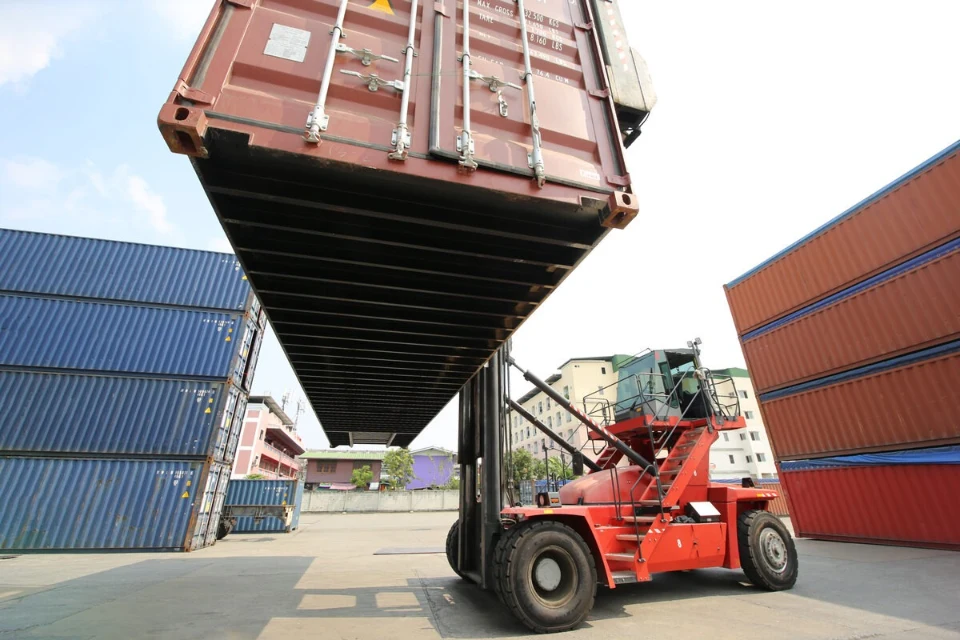
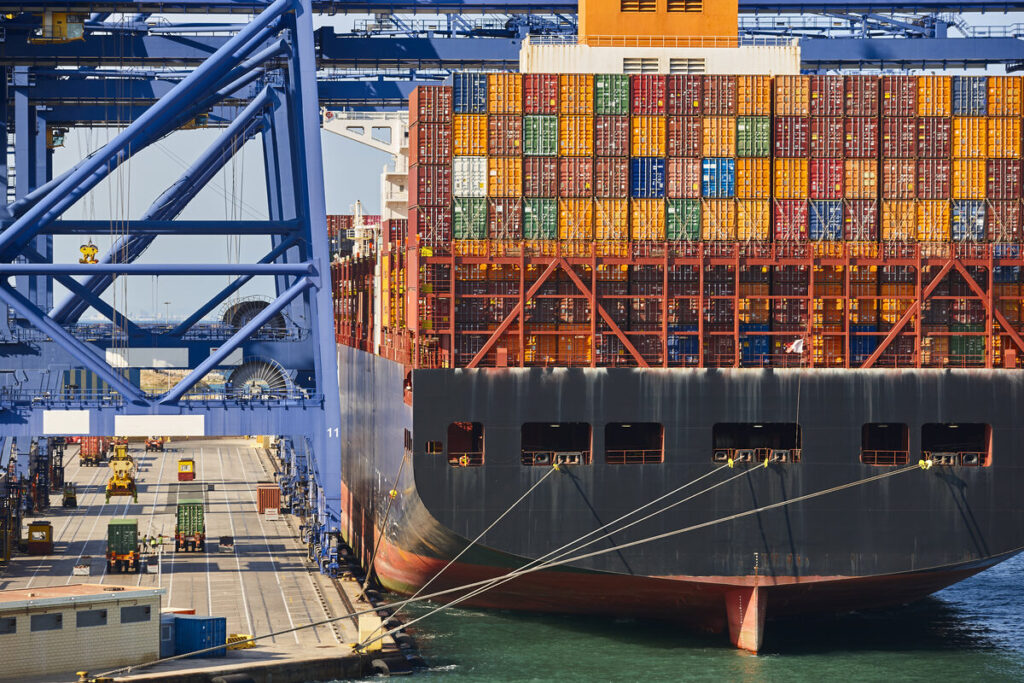
The main difference between RoRo and lift on lift off lies in how the cargo is loaded and unloaded. In the RoRo system, cargo rolls on and off the vessel using ramps. In the lift on lift off system, also known as LoLo, cargo is lifted by cranes to be placed on board or removed from the vessel.
RoRo is usually more efficient when transporting vehicles, trailers, self-propelled machinery or cargo on platforms. It reduces vertical handling, speeds up port operations and can lower risks linked to crane lifting.
Lift on lift off, on the other hand, may be more suitable for containers, non-wheeled heavy cargo or goods that require crane handling. The objective is not to choose one system as universally better, but to select the most efficient solution according to cargo type, route, available infrastructure and logistics objectives.
Types of RoRo ship and main characteristics
Not all RoRo vessels have the same configuration. There are different types of RoRo ship depending on the cargo they carry, the route, available capacity and whether they combine RoRo operations with other maritime services.
The main characteristics of a RoRo ship include access ramps, internal decks, ventilation systems, securing equipment and spaces designed to organize cargo according to weight and dimensions. These features make it possible to move vehicles, machinery, trailers and other forms of wheeled cargo safely.
From a logistics perspective, choosing the right vessel is just as important as selecting the right route. A RoRo ship designed for automotive cargo will not necessarily offer the same possibilities as a vessel prepared for heavy wheeled cargo, trucks or mixed operations.
RoRo ships for vehicles and wheeled cargo
RoRo ships for vehicles and wheeled cargo are designed to transport cars, trucks, vans, trailers, mobile machinery and special equipment. They are widely used in supply chains linked to automotive logistics, industry, construction, energy and international transport.
In this type of operation, cargo planning is essential. It is not only a question of how many units can be transported. It is also necessary to define how they will be distributed inside the vessel, which units must be unloaded first and what safety requirements apply to each type of cargo.
For companies managing large volumes of vehicles or machinery, a RoRo cargo vessel can provide operational efficiency, shorter port times and better integration with road or rail transport.
PCC and PCTC vessels
PCC and PCTC vessels are two types of RoRo ship specialized in vehicle transport, but they differ in capacity and use.
PCC vessels, or pure car carriers, are designed mainly to transport cars and light vehicles. Their internal structure is optimized with multiple fixed decks and relatively low heights, which allows them to maximize the number of cars transported on each voyage. They are widely used by car manufacturers for international vehicle distribution.
PCTC vessels, or pure car and truck carriers, are a more versatile evolution of PCC vessels. They are designed not only for cars, but also for trucks, heavy machinery and larger, higher wheeled cargo. To achieve this, they have adjustable or reinforced decks that can accommodate bulkier and heavier vehicles.
Both are specialized RoRo vessels. However, while the PCC focuses on cars, the PCTC expands capacity to include industrial vehicles and large wheeled cargo, offering greater flexibility for RoRo transport.
ConRo, RoLo and RoPax vessels
ConRo, RoLo and RoPax vessels are RoRo ship variants that combine different forms of maritime transport depending on cargo type and service requirements.
- ConRo vessels, or container plus RoRo vessels, combine container transport and wheeled cargo on the same ship. They have areas for containers loaded by cranes, as on a container vessel, and garage-style decks for vehicles that roll on board. This makes them useful on routes where both vehicles or trucks and containerized cargo need to be moved.
- RoLo vessels, or roll-on/lift-off vessels, combine two loading systems. Wheeled cargo enters via ramps, while other cargo can be loaded using cranes. They are used for mixed cargo operations, especially when not all goods are wheeled but the flexibility of the RoRo system is still valuable.
- RoPax vessels, or roll-on passenger vessels, are ferries that carry vehicles and passengers at the same time. They have decks for cars and trucks that board via ramps, as well as passenger facilities such as cabins, restaurants and common areas. They are mainly used on short and medium-distance routes between countries or islands.
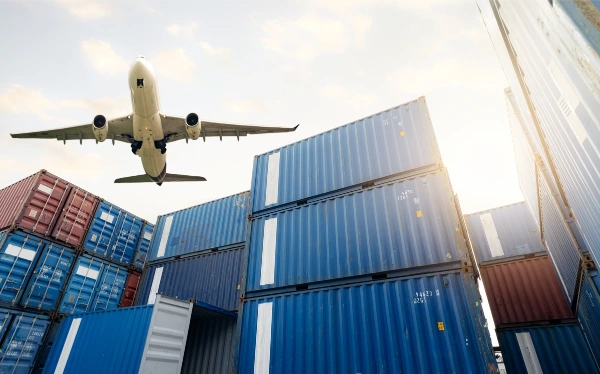
Some users search for terms such as ro ro container, but it is important to clarify that a container is not RoRo cargo by itself. In these cases, the operation depends on the vessel configuration, the terminal and whether containerized cargo is combined with wheeled cargo.
What cargo can be transported as RoRo cargo?
RoRo cargo includes goods that can move on wheels or be loaded onto mobile units, making this system especially useful in maritime transport and international logistics.
Vehicles, automotive cargo and machinery
RoRo transport is mainly used for finished vehicles such as cars, vans, trucks, buses and motorcycles, which enter the vessel on their own wheels via ramps. This is why car RoRo shipping is widely used by manufacturers, importers, exporters and logistics operators in the automotive sector.
It is also common to transport heavy machinery with wheels or track systems, such as excavators, tractors, harvesters and self-propelled or trailer-mounted industrial equipment. This type of cargo is ideal for RoRo because it allows fast, safe loading and unloading with limited handling.
Special cargo and industrial projects
In addition to vehicles, RoRo is also used for special or oversized cargo within industrial projects. This can include transformers, generators, metal structures, prefabricated modules or components for energy plants.
In many cases, these pieces are transported on rolling platforms or special trailers, such as mafi trailers, which allow them to be loaded via ramps. This makes it possible to move heavy or oversized cargo without crane lifting, reducing operational risks and port handling times.
Advantages and limitations of RoRo transport
RoRo transport offers clear advantages when the cargo and route are suitable for this mode. However, it is not a universal solution. Analysing the advantages and limitations of RoRo helps companies make a more realistic and efficient decision.
The choice should be based on operational criteria: cargo type, origin, destination, route availability, transit times, costs, port infrastructure, documentation and multimodal coordination needs.
Advantages of RoRo transport
One of the main advantages of RoRo transport is the speed of loading and unloading. By using ramps, cargo can enter and leave the vessel more quickly than in operations that require cranes or complex handling.
Another important advantage is reduced cargo handling. This can lower the risk of damage, especially for vehicles, machinery or equipment that is sensitive to unnecessary movement. The cargo moves more directly and remains secured during the voyage.
RoRo transport is also efficient for large volumes of wheeled cargo. In sectors such as automotive logistics and machinery transport, it allows many units to be moved through standardized processes and optimized port times.
In addition, it can be integrated into door-to-door multimodal solutions. The connection between maritime transport, road, rail, warehousing and customs makes it possible to design more complete logistics chains adapted to business needs.
Limitations of RoRo transport
The main limitation of RoRo transport is its dependence on adapted routes, vessels and terminals. Not all ports have the same infrastructure, and not all routes offer the frequency required for every operation.
It may also not be the best option for goods that cannot roll or be easily adapted to platforms. In those cases, container shipping, conventional cargo or lift on lift off solutions may be more suitable.
Another limitation is the need for careful planning. Dimensions, weights, securing, documentation, inspections and port coordination must be properly managed. If any of these elements fail, delays, additional costs or operational incidents may occur. RoRo is highly efficient when used in the right context, but the key is to analyse the cargo and the route before choosing the solution.
When to work with a specialized RoRo transport operator
Working with a specialized RoRo transport operator starts to make sense when the operation requires more than simply booking space on a vessel.
This is often the case when companies manage large volumes of vehicles, international routes, high-value machinery, special cargo, complex documentation, customs requirements or traceability needs. It is also recommended when the operation requires coordination between maritime transport, road, rail, warehousing or distribution.
An experienced operator can help analyse the route, validate cargo feasibility, prepare documentation, coordinate the terminal, manage timelines and design a solution adapted to the type of goods.
The value is not only in moving the cargo. It lies in reducing risks, avoiding incidents and improving the overall efficiency of the supply chain.
Key factors when choosing a RoRo transport service
Choosing a RoRo transport service should not be based on price alone. To make the operation efficient, several factors should be assessed before contracting the service:
- Cargo type: transporting cars is not the same as moving trucks, heavy machinery, trailers or special cargo on platforms. Each type of cargo may require specific loading, stowage and safety conditions.
- Route and service frequency: the connection between origin and destination, vessel availability, sailing frequency and transit times have a direct impact on logistics planning.
- Port infrastructure: the port must have ramps, waiting areas, equipment and the right operational capacity to handle wheeled cargo safely and efficiently.
- Documentation and customs: in international operations, proper management of permits, commercial documentation, shipping instructions and customs procedures helps avoid delays and additional costs.
- Cargo traceability: knowing the status and location of the cargo throughout the process makes it easier to anticipate incidents and improve operational control.
- Multimodal integration: when RoRo ocean freight is combined with road, rail, warehousing or distribution, it is possible to design a more efficient end-to-end solution.
In short, the best RoRo service is not always the cheapest one. It is the service that provides greater control, safety, traceability and operational efficiency across the entire logistics chain.
RoRo transport with Suardiaz: experience, multimodality and international coverage
RoRo transport with SUARDIAZ Shipping Lines provides maritime services for wheeled cargo through regular routes across Europe. Our experience, built over more than 75 years in the sector, gives us the flexibility and adaptability needed to offer tailored solutions for maritime freight transport across the entire logistics chain.
If you need to transport vehicles, machinery, trailers or RoRo cargo in an international operation, Suardiaz can help you analyse the route, cargo type and most suitable RoRo or multimodal solution for your logistics needs.
Contact us by email or phone. Request information with no obligation.